Using artificial grass to live comfortably with pets - design for pets with an emphasis on softness, comfort and breathability
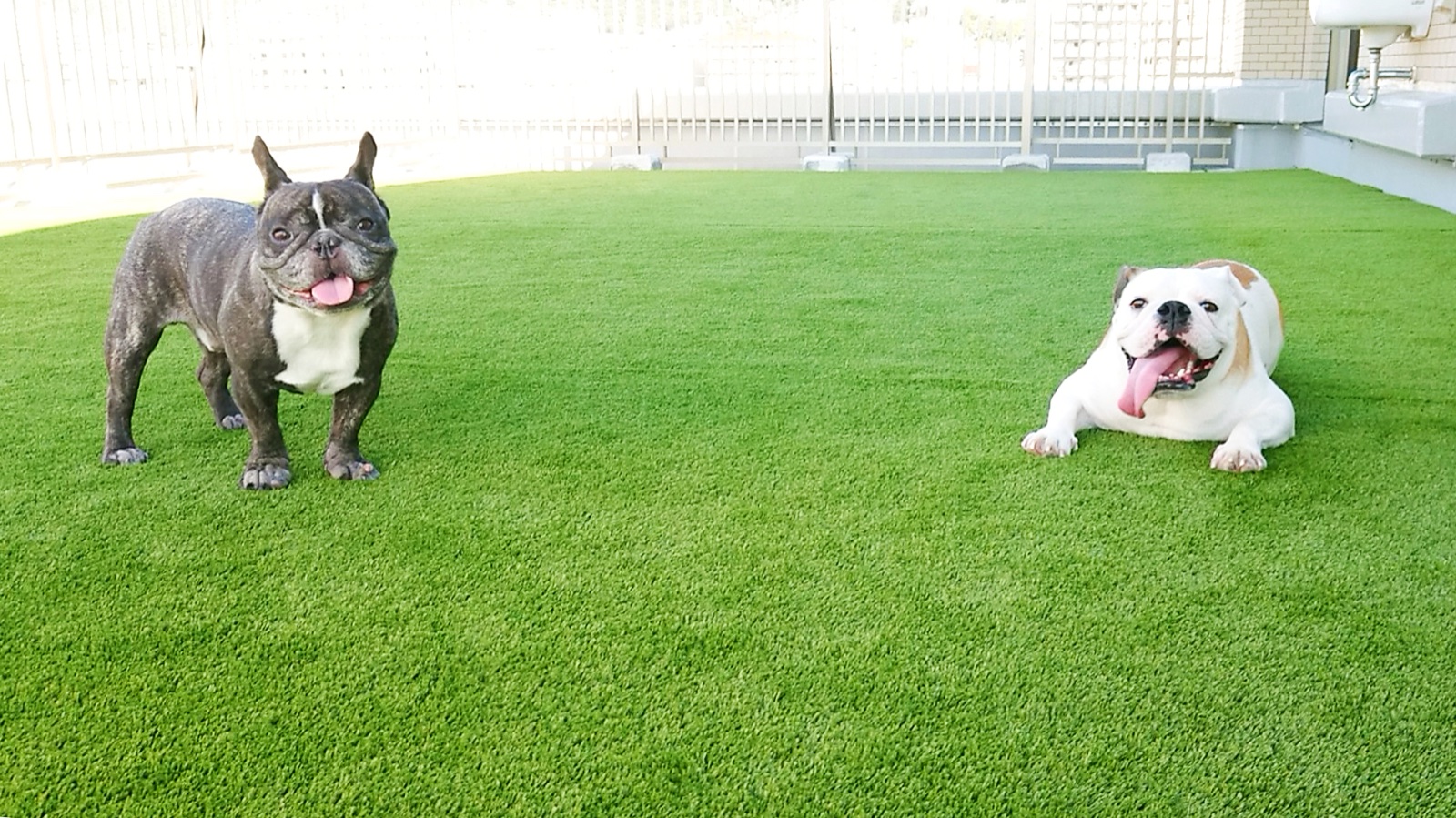
In a home shared with pets, the choice of flooring needs to account not only for human convenience but for the fact that pets touch, walk and relax on it every day. Alongside its appearance, artificial grass is increasingly used in pet applications for its ease of management and the stable feel it offers in use. This article introduces practical use cases for artificial grass where pets are involved, and the points that matter when choosing it.
- Artificial grass as a living space for pets (residential use) In the gardens, verandas and balconies of detached houses, artificial grass is sometimes used as part of a pet's living space. Footing stays relatively stable; soil and mud are less likely to appear, which helps keep dirt from being carried indoors; and a consistent feel is easier to maintain through the seasons. It is also used as a resting place after walks, or to secure time spent outdoors as part of daily life.
- Use in dog runs and pet facilities In dog runs and pet-related facilities, artificial grass is sometimes installed as part of the ground or floor surface. Because these facilities assume use by several pets, the frequency of use and the load tend to be higher than in residential settings. When installing it, it is therefore important to consider:
- frequency of use and number of animals - the installation environment, outdoors or indoors - operation on the assumption of cleaning and maintenance
Artificial grass is less affected by weather-related ground conditions and helps limit mud splash, so it is also used as a practical option from the point of view of running a facility.
- Points that matter in pet applications - softness, comfort and breathability - When artificial grass is used for pets, the characteristics that matter are not only visual but those that come from direct contact with the animal.
- Softness The softness of artificial grass is one of the factors affecting the load on a pet's feet and body. A moderate softness makes discomfort less likely when walking or resting, and helps create an environment that is easy to use day to day.
- Comfort In a space where a pet spends long periods, the feel underfoot and the sense of stability in use also matter. Artificial grass is less affected by the seasons and tends to keep a relatively consistent feel, which helps create a space where a pet can settle.
- Breathability Whether outdoors or indoors, breathability is essential to maintaining a comfortable environment. Paying attention to the backing structure and the installation environment makes moisture less likely to build up, and also makes cleaning and daily care easier.
- Proposals matched to the environment of use Artificial grass is a material that can be used practically in environments shared with pets, according to how and where it is installed. From residential to facility use, we make proposals for artificial grass, including pet applications, on the basis of the actual environment in which it will be used. We will continue to share information on the use of artificial grass, aiming at spaces where pets and people can both be comfortable.